Shaping the next generation
through Digital Economy in a Connected World
The Digital Economy program prepares students to become innovators at the intersection of technology, economics, and society. By integrating core disciplines in economics, digital finance, data analytics, smart city systems, and entrepreneurship, graduates are equipped to lead, build, and govern the digital ecosystems shaping Cambodia and the wider region. This program is built for those who believe that technology, when guided by knowledge and purpose, can transform economies and improve lives.
Program
Description
The Bachelor's degree in Digital Economy is a four-year , 120-credit undergraduate program offered by the Faculty of Digital Economy at the National University of Management.
The program takes an intentionally interdisciplinary approach, weaving together economics, technology, finance, public policy, and entrepreneurship into a coherent and forward-looking course of study. Beginning with foundational concepts in microeconomics, computer science, and critical thinking, students progressively advance into specialized areas such as blockchain technology, artificial intelligence, big data analytics, smart city systems, digital banking, and e-commerce. Alongside technical and analytical training, the curriculum cultivates communication, design thinking, research skills, and ethical reasoning — ensuring graduates are not only technically capable but professionally well-rounded.
The inclusion of project-based learning across five semesters, combined with a final internship and thesis, bridges academic knowledge with real-world practice. French language courses further strengthen graduates' multilingual readiness for regional and international careers.
Program
Aim
"To produce versatile digital economy professionals who can think critically, innovate responsibly, and apply integrated knowledge of economics, technology, and policy to address complex challenges in an increasingly digitalized society — contributing meaningfully to Cambodia's economic development and the broader digital transformation of Southeast Asia."
Program Learning Outcomes
Apply principles of micro and macroeconomics, financial markets, accounting, and FinTech to analyze economic behavior and financial decision-making in a digital context.
Design and build technology-based solutions using app development, blockchain, IoT, big data, and AI tools to address real-world business and public sector challenges.
Assess the infrastructure, planning, governance, and policy dimensions of smart cities and digital economies, integrating both technical and socioeconomic perspectives.
Use statistical methods, big data analytics, econometrics, and macroeconomic modelling to interpret complex datasets and support evidence-based decisions.
Navigate issues of data privacy, cybersecurity, public policy, and business ethics while demonstrating entrepreneurial initiative and innovative thinking in digital ventures.
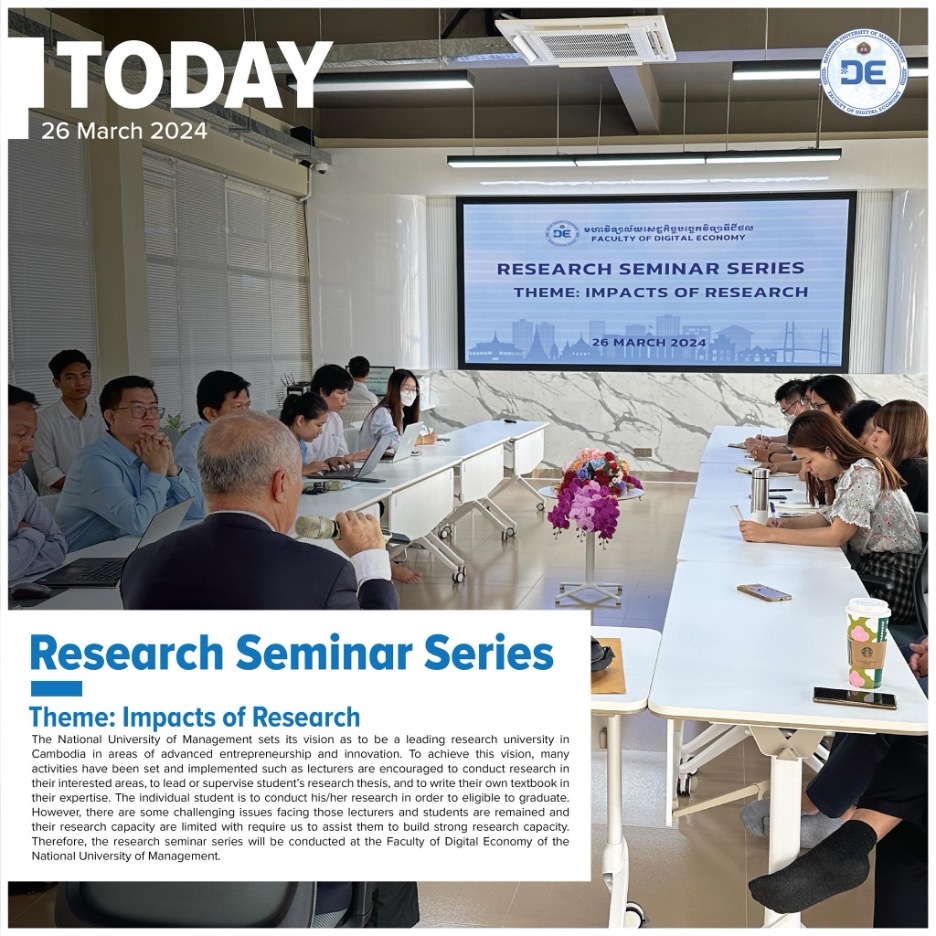
Research Seminar Series

Football match
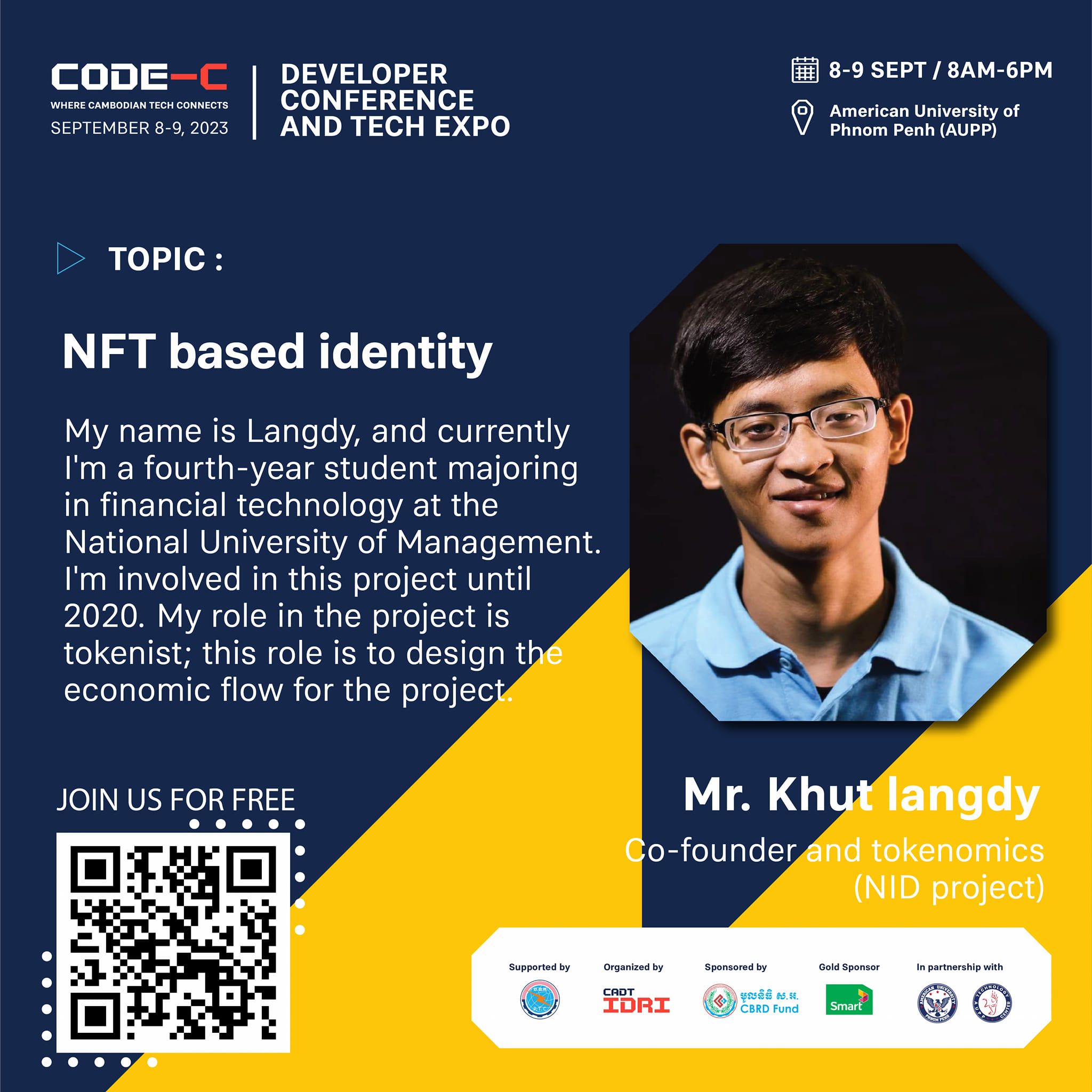
Project Pitching
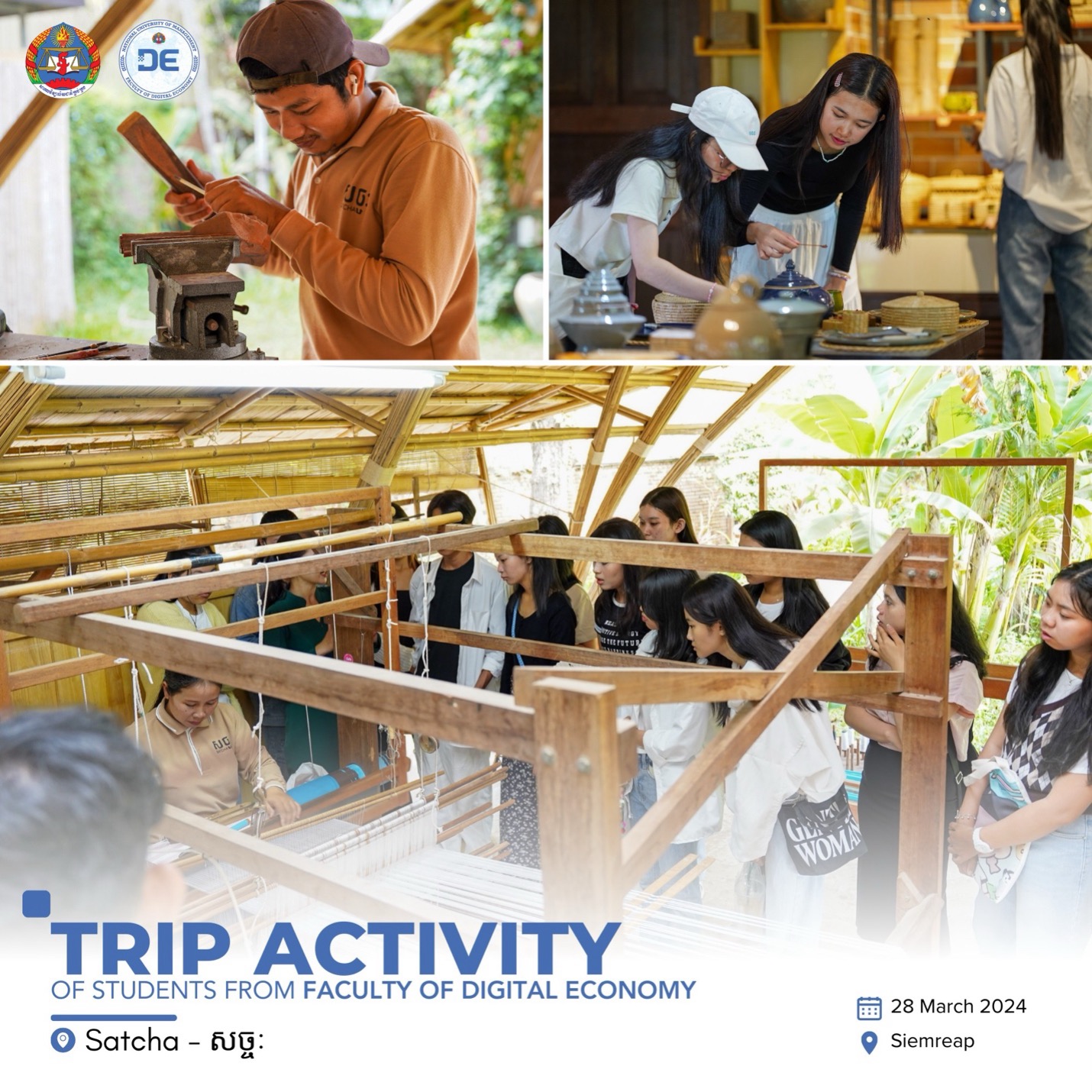
Trip
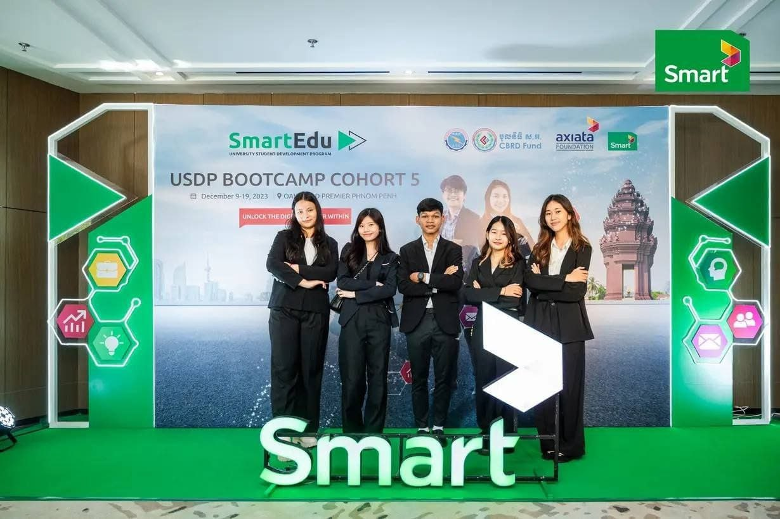
Smart USDP

Student Exchange program
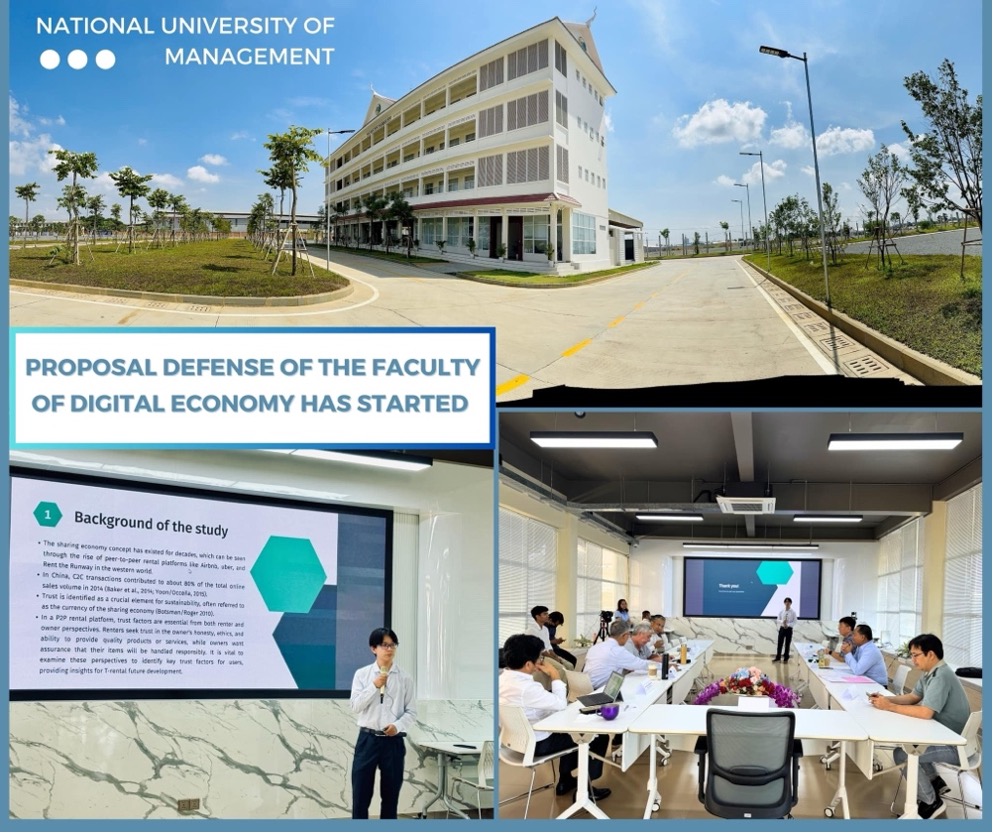
Thesis defend
